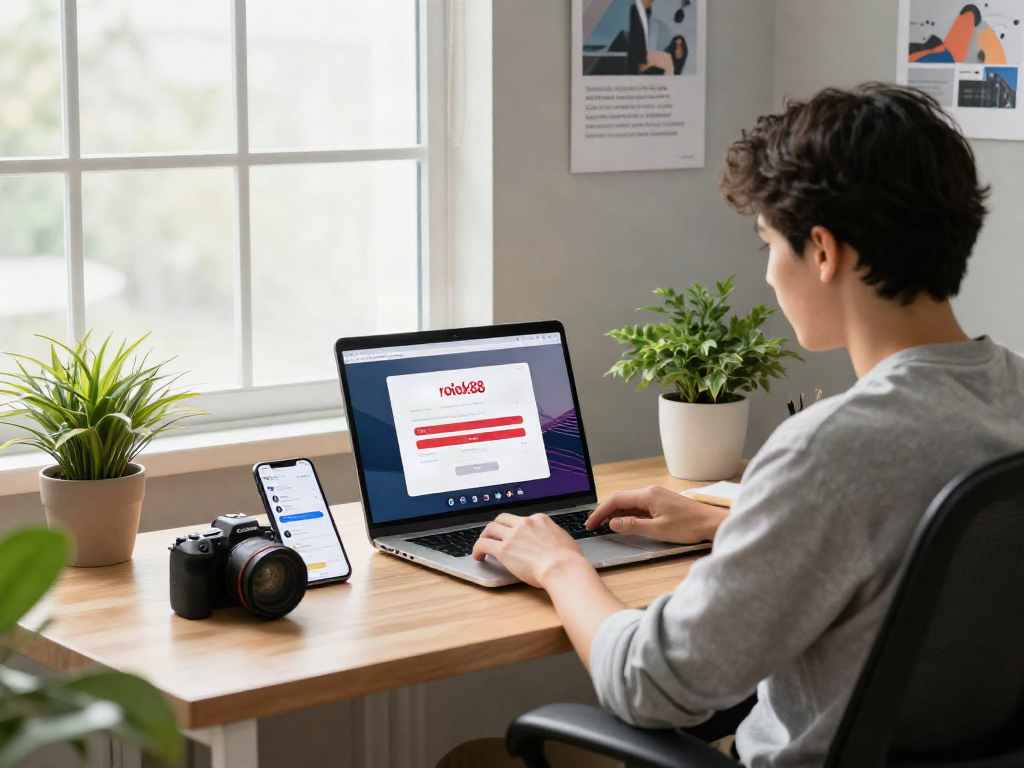
Understanding the Importance of Secure Login Experiences
In today's digital landscape, a secure login experience is paramount for e-commerce businesses. As more consumers engage with various online platforms, understanding the significance of robust authentication systems has never been more critical. An effective login process not only safeguards user data but also enhances overall customer satisfaction, which is essential for fostering trust and loyalty. When exploring options, rokok88 login provides comprehensive insights into user engagement strategies that can significantly benefit your platform.
Why Security Matters in E-Commerce Login Systems
Security breaches can have devastating effects on businesses, leading to data theft and loss of consumer trust. With the rise in identity theft and cyber-attacks, ensuring that login systems are secure is a top priority. E-commerce sites must implement stringent security measures, such as SSL certificates, to encrypt data and protect user information during transactions. Moreover, consumers are now more educated about the risks associated with online shopping, which means they expect businesses to prioritize their security.
Common User Concerns Regarding Online Safety
Users often express concerns regarding their personal data's safety while logging into accounts. Common worries include phishing attacks, inadequate password security, and data breaches. To alleviate these concerns, businesses must communicate their security protocols clearly. Providing information about encryption methods, privacy policies, and security audits can help instill confidence in users, encouraging them to complete the login process and engage with the site.
The Role of User Experience in Login Ease
While security is critical, user experience must not be compromised. A complicated login procedure can deter users from accessing their accounts, leading to lost sales and reduced customer retention. Simplifying the login process by minimizing required fields and offering features like 'remember me' can enhance user experience without sacrificing security. Ultimately, a balance between security and usability is vital for maintaining engagement on e-commerce platforms.
Best Practices for Designing a User-Friendly Login Interface
Essential Elements of a Great Login Page
A user-friendly login page should be intuitive and visually appealing. Key elements include a clear and concise layout, a simple color scheme, and easily identifiable buttons for login and password recovery. Furthermore, adding social media login options can streamline the process, making it easier for users to access their accounts. This not only enhances usability but also reflects modern consumer expectations.
Common Mistakes to Avoid When Creating Login Forms
Designing a login form is not without its pitfalls. One of the most common mistakes is overwhelming users with excessive input fields. Businesses should aim to collect only essential information at the login stage, reserving additional data requests for later. Additionally, failing to implement error messages for incorrect logins can frustrate users. Providing immediate feedback in a clear, friendly manner can help users rectify their mistakes and reduce abandonment rates.
Using Visual Design to Enhance User Engagement
Visual design plays a crucial role in user engagement. Aesthetically pleasing login interfaces can draw users in and enhance overall interactions. Using whitespace wisely, selecting legible fonts, and incorporating engaging graphics can make the login process more inviting. Furthermore, consistent branding helps users feel connected to the platform, encouraging them to return.
Integrating Advanced Features for Improved User Retention
The Power of Social Logins: Benefits and Drawbacks
Social logins, such as those offered through Facebook or Google, have gained popularity due to their convenience. They allow users to bypass traditional login processes, saving time and reducing friction. However, businesses must weigh these benefits against potential security concerns, such as privacy issues and dependency on third-party platforms. Ensuring that users can easily switch between social and traditional logins can provide them with the flexibility they desire while maintaining control over their security.
Implementing Two-Factor Authentication for Increased Security
Two-factor authentication (2FA) adds an additional layer of security by requiring users to verify their identity through a secondary method, such as a text message or authentication app. This method significantly reduces the risk of unauthorized access, especially for sensitive accounts. Encouraging users to enable 2FA can improve their confidence in the platform while enhancing overall security.
Creating Personalized User Experiences Post-Login
Once users have logged in, providing a personalized experience can foster loyalty and engagement. Leveraging user data to recommend products, offer discounts, or provide tailored content can make users feel valued. This targeted approach creates a sense of community and enhances the likelihood of repeated business, showcasing the importance of a well-rounded login strategy.
Measuring the Success of Your Login Strategy
Key Performance Indicators for E-Commerce Login Pages
Analyzing the effectiveness of your login strategy is essential for continual improvement. Key performance indicators (KPIs) to track include login success rates, time taken to log in, and drop-off rates during the login process. By establishing a baseline and regularly assessing these metrics, businesses can identify areas of improvement and implement necessary changes promptly.
Analyzing User Behavior Data to Drive Improvements
User behavior data presents invaluable insights into how users interact with login systems. Utilizing analytics tools to track login patterns, failures, and user feedback can help businesses refine their strategies. For instance, if users frequently abandon the login page, it may indicate a need for a simplified interface or better error handling. Regularly revisiting user data ensures that your login process evolves in line with user expectations.
Case Studies of Successful Login Strategies in E-Commerce
Examining case studies of successful e-commerce platforms can provide valuable lessons in effective login strategies. For example, a well-known retail website revamped its login process by integrating social media logins and simplifying the password recovery process. This resulted in a 25% increase in successful logins and improved customer satisfaction scores. Such examples demonstrate the impact that thoughtful login design can have on user engagement.
Future Trends in E-Commerce Login Systems
The Rise of Biometric Authentication in Online Shopping
Biometric authentication, including fingerprint and facial recognition technology, is on the rise as a secure and user-friendly login option. These methods enhance security by relying on unique user traits, minimizing the need for passwords. As consumer comfort with biometric technology grows, e-commerce platforms that integrate such features may gain a competitive advantage by providing a seamless login experience.
Predicting User Expectations for 2026
As technology evolves, so do user expectations. By 2026, consumers will likely demand even more streamlined and secure login processes. Features such as passwordless logins, instant biometric authentication, and enhanced personalization will become standard. E-commerce businesses must stay ahead of these trends to remain relevant and meet user needs.
How AI and Machine Learning Will Shape Login Experiences
Artificial intelligence (AI) and machine learning are set to revolutionize login experiences in several ways. These technologies can analyze user behavior to predict login patterns, detect anomalies, and enhance security measures. Additionally, AI can assist in personalizing user experiences post-login, adapting content and recommendations in real-time to match user preferences.
What Are the Most Common E-Commerce Login FAQs?
Users often have questions regarding the login process, including issues related to forgotten passwords, account recovery, and security features. Addressing these frequently asked questions in a dedicated section on the website can significantly enhance user experience. Clear, concise answers help demystify the login process and alleviate user concerns.
How to Ensure Accessibility in Login Pages?
Creating accessible login pages is essential for inclusivity. Implementing features such as screen reader compatibility, keyboard navigation, and adjustable text sizes can ensure that all users, including those with disabilities, can effortlessly access their accounts. Compliance with accessibility standards not only broadens your audience but also fosters a positive brand image.
What Are the Best Strategies for Encouraging User Registration?
Encouraging user registration can be facilitated through various strategies, such as offering incentives like discounts or loyalty points for signing up. Additionally, simplifying the registration process and clearly outlining the benefits of creating an account can drive user engagement. Highlighting the security measures in place can also alleviate concerns, making users more inclined to register.
How Does Login Optimization Affect Overall Sales?
Optimizing the login process can have a direct impact on sales conversions. A smooth, quick, and secure login enhances the overall shopping experience, encouraging users to complete purchases. Conversely, a cumbersome login process can lead to cart abandonment and lost revenue. Investing in login optimization is, therefore, an essential component of e-commerce success.
What Security Features Should Every E-Commerce Site Implement?
Every e-commerce website should incorporate several essential security features, including SSL encryption, two-factor authentication, and robust password policies. Regularly updating software to patch vulnerabilities and conducting security audits can further enhance defenses against potential threats. Educating users about these security measures can also contribute to a heightened sense of safety while using the platform.